
The short answer
I think the first decision is whether you need a chat at all. We had a chat window on our own site, and after a while we removed it, because almost nobody used it, while every visitor paid for its loading time. On an agency site, people prefer to fill in a form or send an email.
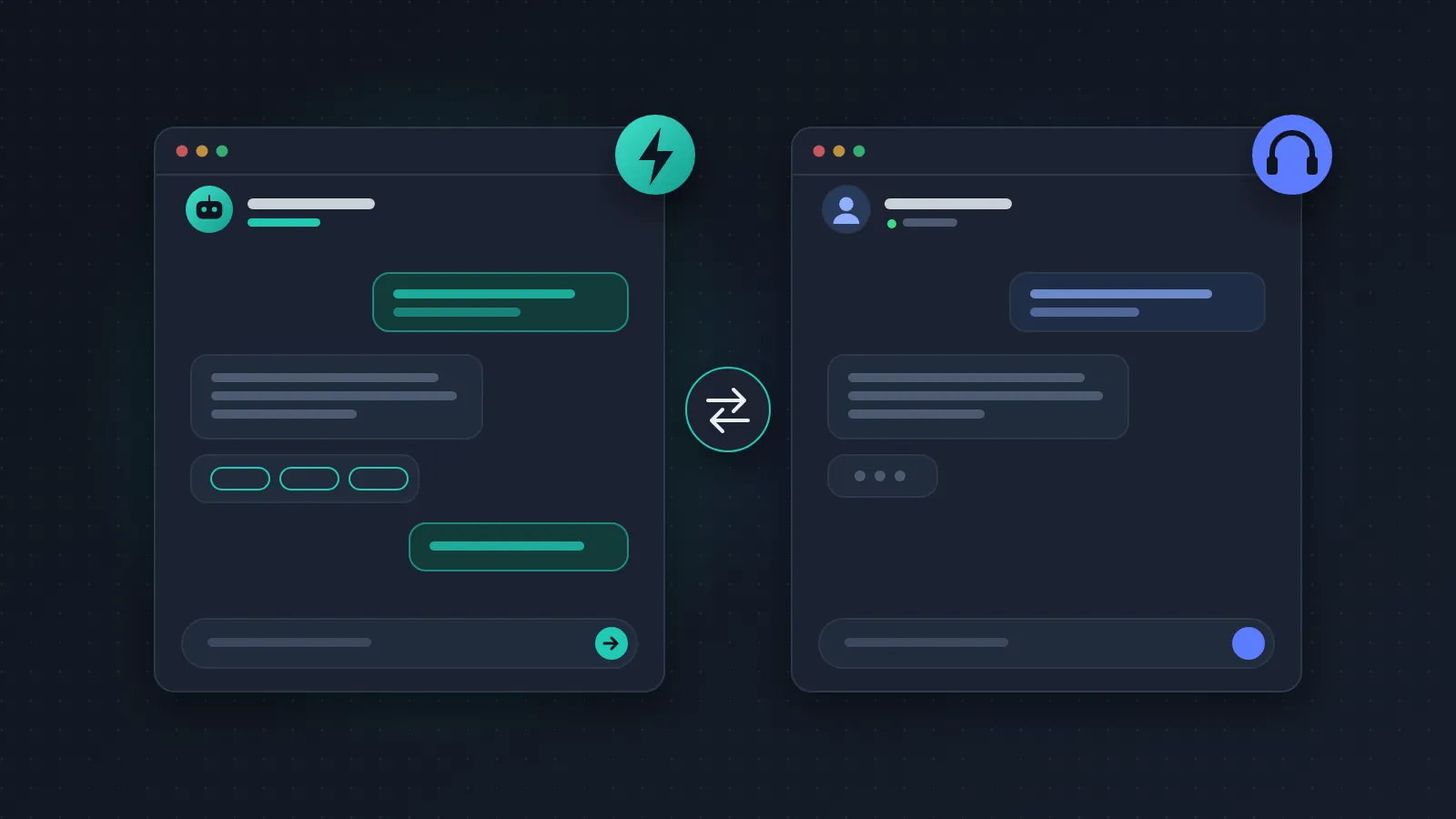
If you do get a lot of repetitive questions (a webshop, a service business, bookings), the best setup is usually both: AI for the common questions in the first round, a person for the complicated cases.
When an AI chatbot works
- Frequent, repetitive questions: opening hours, prices, delivery times, bookings.
- You need to answer around the clock but have no night team.
- Pre-qualifying enquiries before a colleague gets in touch.
- A client base speaking several languages.
When it is not enough
- Complex, individual advice.
- Emotionally loaded situations, such as complaints.
- High-value sales where trust decides.
- Answers that need expertise that is not written down anywhere.
What makes a good AI chatbot
1. It answers from your knowledge
Not generic ChatGPT, but a system working from your website and documents. This is usually called RAG. The same rule applies to our own AI features: the DogDietLab AI advisor, for example, answers from the data recorded about the dog, and the reports are also reviewed by a nutrition expert.
2. It knows when to hand over
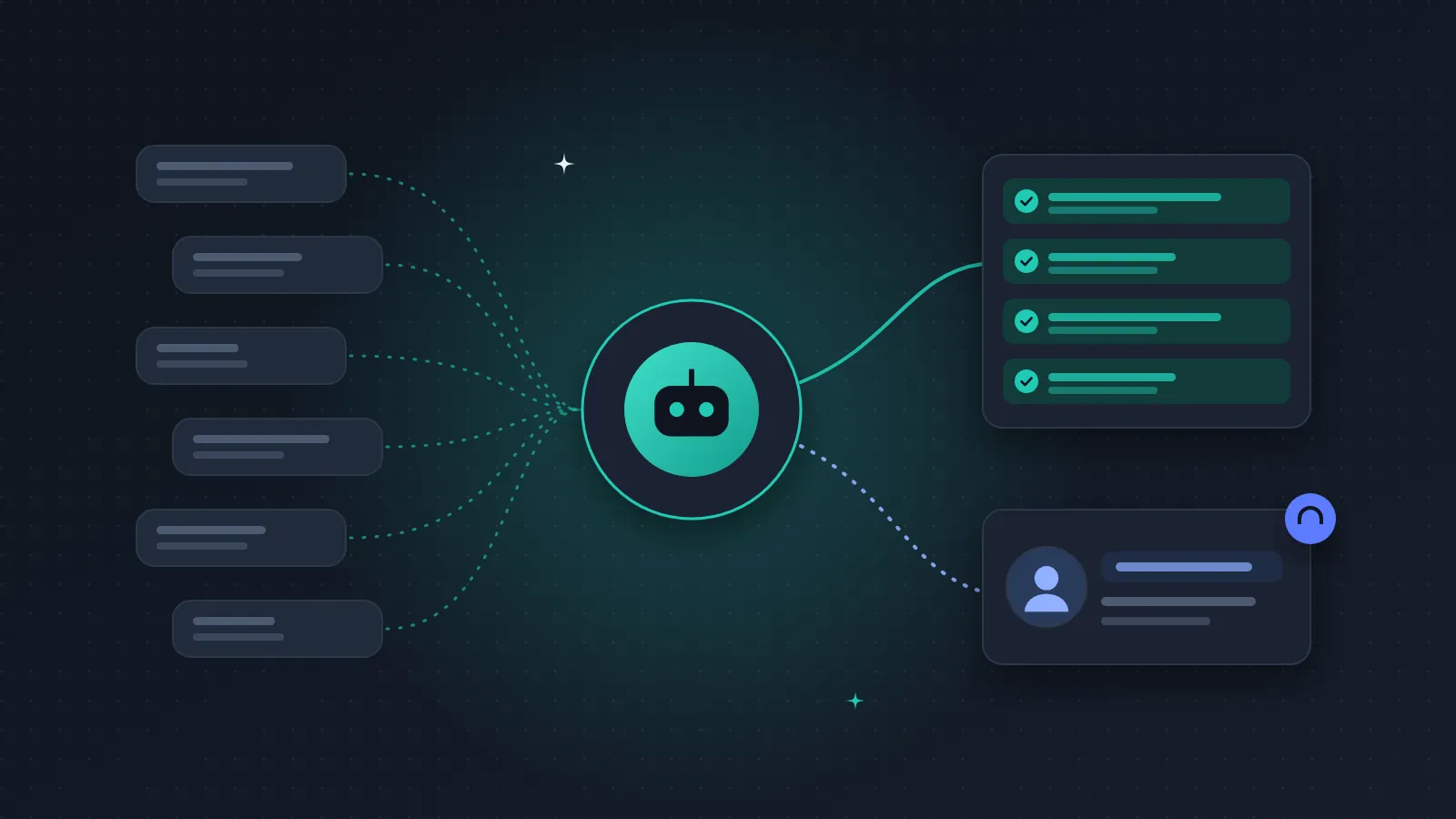
If it does not know the answer, or the visitor is upset, it passes the conversation to a person. It does not make things up.
3. It writes well in your clients' language
The big models handle most languages well today, but not all equally. Always test with real questions before going live, in every language you support.
4. It measures
What people ask, where conversations get stuck, what it could not answer. That is a goldmine for marketing too.
5. It is not pushy
It should not pop up in the first second. Let it wait until the visitor actually has a question.
Rough costs
Ready-made service (Intercom, Tidio, Crisp): from a few dozen to a few hundred euros a month. Quick to set up, less customisable.
Custom chatbot built on your own data: a build cost, typically starting in the low thousands of euros, plus a monthly running cost that depends on AI usage. In return it talks about your business, in your voice.
How I would start
- Collect the questions. From the last few months of emails: what are the 20 most common?
- Write down the answers. FAQ, prices, shipping, process. This is what it will work from.
- Choose a solution. For a small company a ready-made service is often enough. Larger companies may need custom.
- Test internally. For at least two weeks, and deliberately try to confuse it.
- Review regularly. Read the conversations every month and extend the knowledge base.
The most common mistake
Launching it and never looking at it again. A chatbot needs constant attention in the first months. The other common mistake is the one we made ourselves: putting a chat on a site just because "everyone has one". First check whether people ask questions at all.
If you want to talk through whether a chatbot makes sense for you, write to me. More on the AI systems page.