

A website SEO checker gives you a score and a list of findings in under a minute. The hard part is what comes next: which findings matter, which can wait, and in what order to fix them. This guide explains how to read the results. To get your own, run the free SEO checker, no account or card needed.
What a website SEO checker looks at
Most checkers cover the technical and on-page basics that decide whether Google can find, read and show your pages well:
| Check | What it tells you |
|---|---|
| Host and HTTPS setup | Whether your site answers on one secure address, or splits between http, https, www and non-www versions |
| robots.txt | Whether you accidentally block Google from pages you want found |
| XML sitemap | Whether search engines get a clean list of your pages |
| Title tags | Missing, duplicate, too long or too short titles on the pages checked |
| Meta descriptions | Missing or weak descriptions that lower your click-through rate |
| Headings and on-page tags | Missing H1s and other tags Google uses to understand a page |
A good checker says for each finding what is wrong, why it matters and what to do, in plain language.
How to read your results
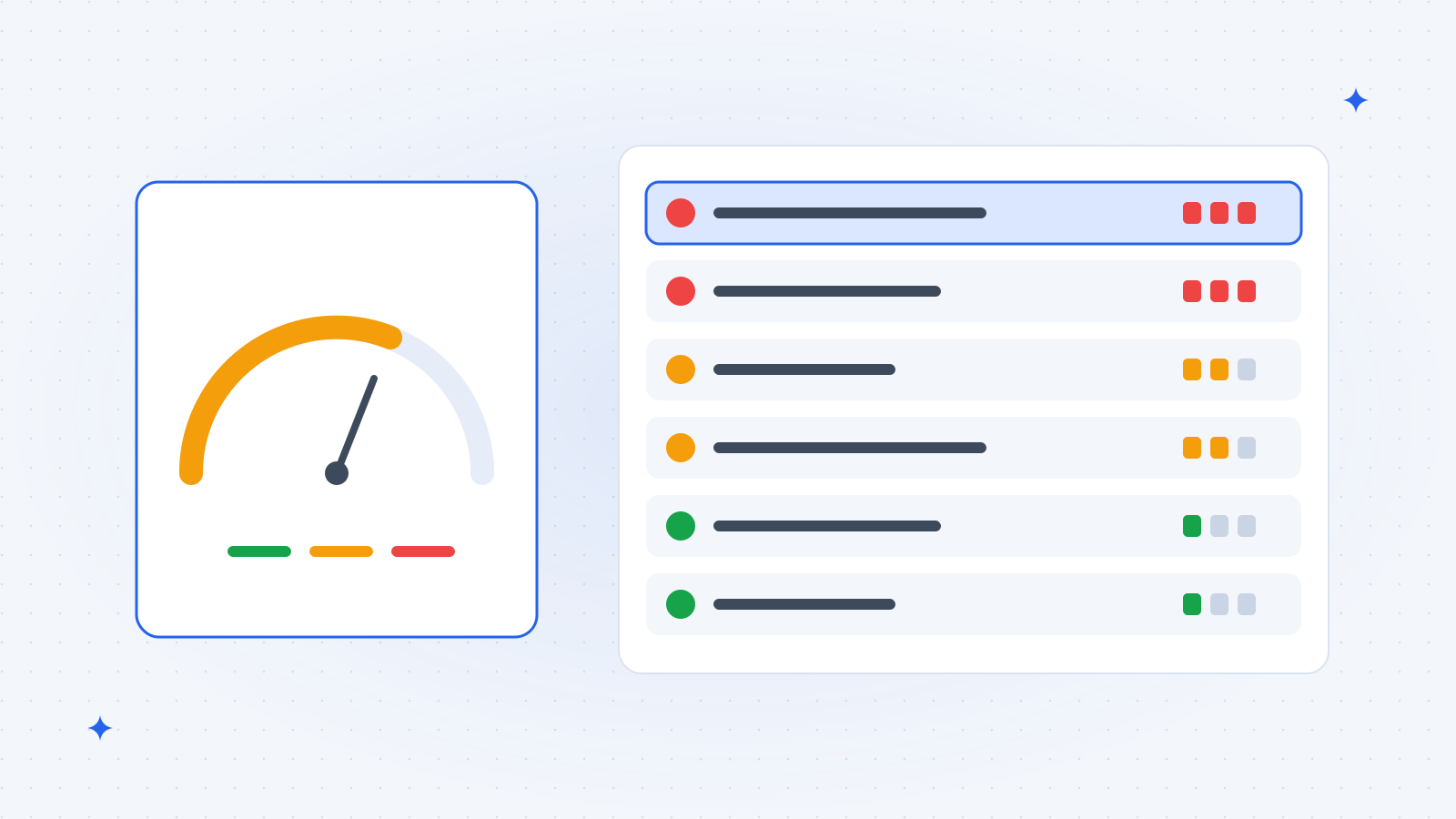
Start at the top. Good checkers order findings by impact, so the first items usually matter most:
- Fix anything that blocks indexing first: robots.txt rules, a missing sitemap or a broken HTTPS setup.
- Then fix titles and descriptions on your most important pages: home, services, products and pricing.
- Then look at content: pages with thin text or no clear heading rarely rank well.
If you already rank, the biggest quick win is often a better title and description on pages that get impressions but few clicks. You find those pages in Search Console, or with a keyword rank tracker built on Search Console data.
What the score does not tell you
Scores differ between tools and Google does not use them. A site with a lower score can still win if its key pages are indexed and match what people search. Judge progress by indexed pages, clicks from search and issues fixed, not by the number.
Why a checker is not the whole story
A checker finds technical and on-page problems. It cannot tell you on its own which keywords bring buyers, how strong your competitors are or whether AI assistants recommend you. In Vistobi, the free 7-day trial adds all findings, your Google data, a 30-day content plan and an AI visibility tracker for ChatGPT and Gemini.
For a full manual walkthrough, read our free SEO audit checklist.
Key takeaways
- Fix indexing problems first, then titles and descriptions, then content.
- Ignore the score; track indexed pages, clicks and fixes.
- The quickest wins are pages that already rank but are not clicked.